The Emerald Chronicle

Health News

Urgent Health Alert: Flu Season Preparedness

With the flu season approaching, health authorities urge citizens to get vaccinated and practice good hygiene to prevent widespread illness.

Medical Breakthroughs

Discover the latest advancements in medical research and treatments that are changing lives.

Learn More

Fitness & Well-being

Tips and routines to help you stay active, healthy, and energized.

Get Fit

Nutrition Insights

Understand the science of food and how to fuel your body for optimal health.

Eat Smart

Mental Health Matters

Resources and advice for fostering emotional resilience and mental clarity.

Find Support

Public Health Updates

Stay informed about community health initiatives and disease prevention efforts.

Stay Informed

Pioneering Medical Breakthroughs

Scientist examining a DNA helix in a laboratory setting

Revolutionary Gene Therapy Shows Promise for Inherited Blindness

Researchers at the fictional Dublin Institute for Advanced Biosciences (DIAB) have announced unprecedented results from a Phase II clinical trial for a novel gene therapy aimed at treating Leber congenital amaurosis (LCA), a rare inherited retinal disease that causes severe vision loss from birth. The therapy, codenamed 'OcuGene-X', targets a specific gene mutation responsible for a significant percentage of LCA cases.

The trial, which involved 40 participants aged 5 to 30, demonstrated significant improvements in visual acuity and light sensitivity in over 75% of subjects. Dr. Liam Fitzgerald, lead researcher on the project, stated, "We are seeing visual restoration that frankly exceeds our initial expectations. Patients who could barely navigate a room are now able to read large print and recognize faces. This is a monumental step forward for treating genetic blindness." The OcuGene-X therapy involves a one-time injection of a harmless virus carrying a correct copy of the faulty gene directly into the retina. While further trials are necessary, the early success offers a beacon of hope for thousands worldwide affected by this debilitating condition.

"The potential for gene therapy extends far beyond inherited diseases; we are on the cusp of a new era in medicine where we can directly address the genetic roots of many conditions."
- Dr. Aoife O'Connell

The DIAB team is now preparing for a larger Phase III trial, expected to commence in late 2024, with regulatory approval potentially within the next five years. This breakthrough underscores the growing importance of precision medicine and the vast potential of genetic engineering in healthcare.

Close-up of a lab technician working with cell cultures

AI-Powered Diagnostics: Accelerating Disease Detection

Artificial intelligence (AI) is rapidly transforming diagnostic processes in healthcare. A recent study published in the 'Irish Journal of Medical Informatics' highlights how AI algorithms are achieving remarkable accuracy in detecting early signs of conditions like diabetic retinopathy and certain types of cancer from medical imaging.

Hospitals across Ireland, including St. Vincent's University Hospital in Dublin, are piloting AI systems that can analyze mammograms, CT scans, and retinal images with a speed and consistency that complements human expertise. These systems are trained on vast datasets, allowing them to identify subtle patterns that might be missed by the human eye, especially under pressure or fatigue. Professor Ciaran Walsh from University College Dublin's School of Computer Science commented, "AI isn't about replacing doctors; it's about augmenting their capabilities. It acts as an incredibly powerful second opinion, flagging potential issues for human review and significantly reducing turnaround times for diagnoses, which can be critical for patient outcomes."

The integration of AI also promises to democratize access to high-quality diagnostics, particularly in rural or underserved areas where specialist radiologists or ophthalmologists may be scarce. As the technology matures, we can expect AI to play an even more integral role in preventative healthcare and personalized treatment plans.

Elevate Your Fitness and Well-being

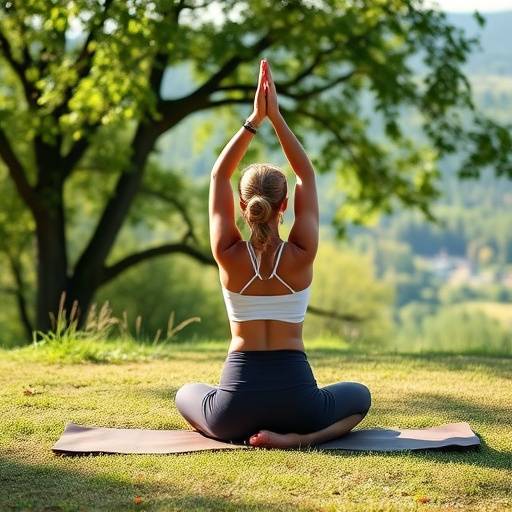
A person doing yoga outdoors with a scenic background

The Mind-Body Connection: Integrating Yoga into Your Routine

In today's fast-paced world, finding moments of calm and connection can be challenging. Yoga offers a holistic approach to health, seamlessly blending physical postures (asanas) with breath control (pranayama) and meditation, fostering a profound mind-body connection.

Regular yoga practice has been scientifically linked to numerous benefits, including improved flexibility, strength, balance, and cardiovascular health. Beyond the physical, yoga is a potent tool for stress reduction, anxiety management, and enhanced mental clarity. "It's not just about touching your toes; it's about what you learn on the journey down," says Sadhbh Kelly, who teaches at 'The Tranquil Mat' studio in Galway. "Yoga teaches us to be present, to listen to our bodies, and to cultivate self-compassion."

Starting a yoga practice doesn't require advanced flexibility. Many studios offer beginner classes, and numerous online resources can guide you through fundamental poses. Incorporating even 15-20 minutes of gentle yoga into your daily routine can make a significant difference in your overall well-being.

A diverse group of people engaging in outdoor sports like jogging and cycling

Beyond the Gym: Embracing Outdoor Fitness

While gyms offer a controlled environment for exercise, the great outdoors provides a dynamic and invigorating alternative for fitness enthusiasts. Engaging in outdoor activities not only benefits physical health but also offers substantial mental and emotional rewards.

Activities like hiking in the Wicklow Mountains, cycling along the coast, or even a brisk walk through Phoenix Park in Dublin provide fresh air, natural light, and a change of scenery that can boost motivation and reduce feelings of monotony. "The varied terrain of outdoor environments challenges your muscles in different ways, improving proprioception and balance," notes Finnian Doyle. "Plus, the psychological benefits of being immersed in nature are well-documented – reduced stress, improved mood, and enhanced cognitive function."

Whether it's a park run with friends, a challenging hill climb, or simply exploring your local surroundings on foot, making fitness an outdoor adventure can be a sustainable and enjoyable way to achieve your health goals.

Nourishing Your Body: Key Nutrition Insights

A vibrant arrangement of fresh fruits and vegetables

The Power of Plant-Based Eating for Long-Term Health

The shift towards plant-based diets is more than a trend; it's a scientifically supported pathway to improved health and sustainability. A diet rich in fruits, vegetables, whole grains, legumes, nuts, and seeds provides essential vitamins, minerals, fiber, and antioxidants crucial for disease prevention.

Research consistently shows that individuals who follow plant-centric diets tend to have lower rates of heart disease, type 2 diabetes, certain cancers, and obesity. "The abundance of fiber in plant foods aids digestion and promotes a healthy gut microbiome, which is increasingly recognized as central to overall health," explains Dr. Niamh Byrne. "Furthermore, the high nutrient density means you're getting more beneficial compounds per calorie."

Transitioning to a plant-based diet doesn't have to be extreme. Starting with 'Meatless Mondays' or incorporating more plant-based meals throughout the week can yield significant health benefits. Ensuring adequate intake of key nutrients like Vitamin B12, iron, calcium, and omega-3 fatty acids is important, and can often be achieved through fortified foods or supplements.

A person measuring out ingredients for cooking in a kitchen

Understanding Macronutrients: Carbs, Proteins, and Fats

Macronutrients are the components of food that the body needs in large amounts to provide energy and support growth and repair. Understanding their roles is fundamental to building a balanced and effective diet.

Carbohydrates are the body's primary source of energy, fueling everything from brain function to physical activity. Opt for complex carbohydrates like whole grains, fruits, and vegetables over refined sugars for sustained energy release and fiber. Proteins are the building blocks of our bodies, essential for muscle repair, immune function, and hormone production. Good sources include lean meats, fish, eggs, dairy, legumes, and tofu. Fats , often misunderstood, are crucial for hormone production, nutrient absorption, and cell function. Prioritize unsaturated fats found in avocados, nuts, seeds, and olive oil, while moderating saturated and avoiding trans fats.

The ideal balance of macronutrients varies based on individual needs, activity levels, and health goals. Working with a registered dietitian can help tailor recommendations to your specific requirements.

Prioritizing Mental Health and Well-being

A serene image of someone meditating by a window

Mindfulness Techniques for Stress Management

In a world that often demands constant attention and productivity, cultivating mindfulness can be a powerful antidote to stress and overwhelm. Mindfulness is the practice of paying attention to the present moment, non-judgmentally.

Simple mindfulness exercises can be incorporated into daily life. This might involve dedicating a few minutes each day to focus on your breath, observing thoughts and feelings without getting carried away by them, or engaging your senses fully in everyday activities like eating or walking. "The goal isn't to empty your mind, but to become more aware of what's happening within it and around you," explains Dr. Eoin McGrath. "This awareness allows us to respond to challenges more thoughtfully rather than react impulsively." Regular practice can lead to reduced anxiety, improved focus, and greater emotional regulation.

A supportive conversation between two friends

The Importance of Social Connection for Mental Resilience

Humans are inherently social beings, and strong social connections are vital for our mental and emotional well-being. Loneliness and isolation can have detrimental effects on mental health, increasing the risk of depression, anxiety, and other issues.

Nurturing relationships with family, friends, and community members provides a sense of belonging, support, and shared experience. Actively seeking out social interactions, whether through joining clubs, volunteering, or simply making time for loved ones, is a proactive step towards building mental resilience. "When we feel connected, we are better equipped to navigate life's challenges," says Sinead O'Brien. "Sharing burdens, celebrating successes, and simply having someone to listen can make an enormous difference." Even small, consistent efforts to connect can strengthen our social fabric and enhance our overall mental health.

Public Health: Community, Prevention, and Well-being

Understanding Vaccine Efficacy and Safety

Vaccines remain one of the most effective tools for preventing infectious diseases. The Irish Health Service Executive (HSE) provides rigorous guidelines and monitoring to ensure the safety and efficacy of all approved vaccines. According to recent HSE reports, vaccination programs have drastically reduced the incidence of diseases like measles, polio, and influenza, saving countless lives and preventing long-term complications.

Dr. Fionnuala Reilly, a public health physician with the HSE, emphasizes, "The scientific consensus is overwhelmingly in favor of vaccine safety. Extensive research and clinical trials are conducted before any vaccine is approved for public use, and continuous monitoring is in place to detect and address any rare adverse events. The benefits of vaccination in protecting individuals and communities far outweigh the minimal risks."

Commonly Cited Diseases and Vaccination Status (Fictional Data Example)

Vaccination Rates for Preventable Diseases in Ireland (2022)
Disease Vaccination Rate (%) Public Health Impact
Measles 94.5% Significantly reduced outbreaks
Mumps 93.2% Lowered incidence of complications
Rubella 94.1% Prevention of congenital rubella syndrome
Influenza (Seasonal) 48.1% Reduced burden on healthcare systems
Hepatitis B 96.0% Protection against chronic liver disease

These figures illustrate the widespread success of vaccination campaigns in safeguarding public health.

Healthy Habits for a Stronger Ireland

The Emerald Chronicle, in collaboration with 'Irish Wellness Initiatives Ltd.', is promoting a nationwide campaign focused on adopting healthier lifestyle habits. The campaign, championed by health expert Dr. Maeve Kennedy, encourages simple yet impactful changes:

  • Daily Movement: Aim for at least 30 minutes of moderate-intensity physical activity each day. This can include brisk walking, cycling, swimming, or dancing.
  • Balanced Diet: Emphasize whole foods, fruits, vegetables, and lean proteins. Limit processed foods, sugary drinks, and excessive salt intake.
  • Adequate Sleep: Prioritize 7-9 hours of quality sleep per night for optimal physical and cognitive function.
  • Stress Management: Incorporate relaxation techniques like meditation, deep breathing exercises, or spending time in nature.
  • Regular Check-ups: Visit your doctor and dentist for routine check-ups and screenings to catch potential health issues early.

Dr. Kennedy states, "A healthier population leads to a more vibrant and productive society. By making small, consistent changes, individuals can significantly improve their quality of life and contribute to the overall well-being of their communities."